Description
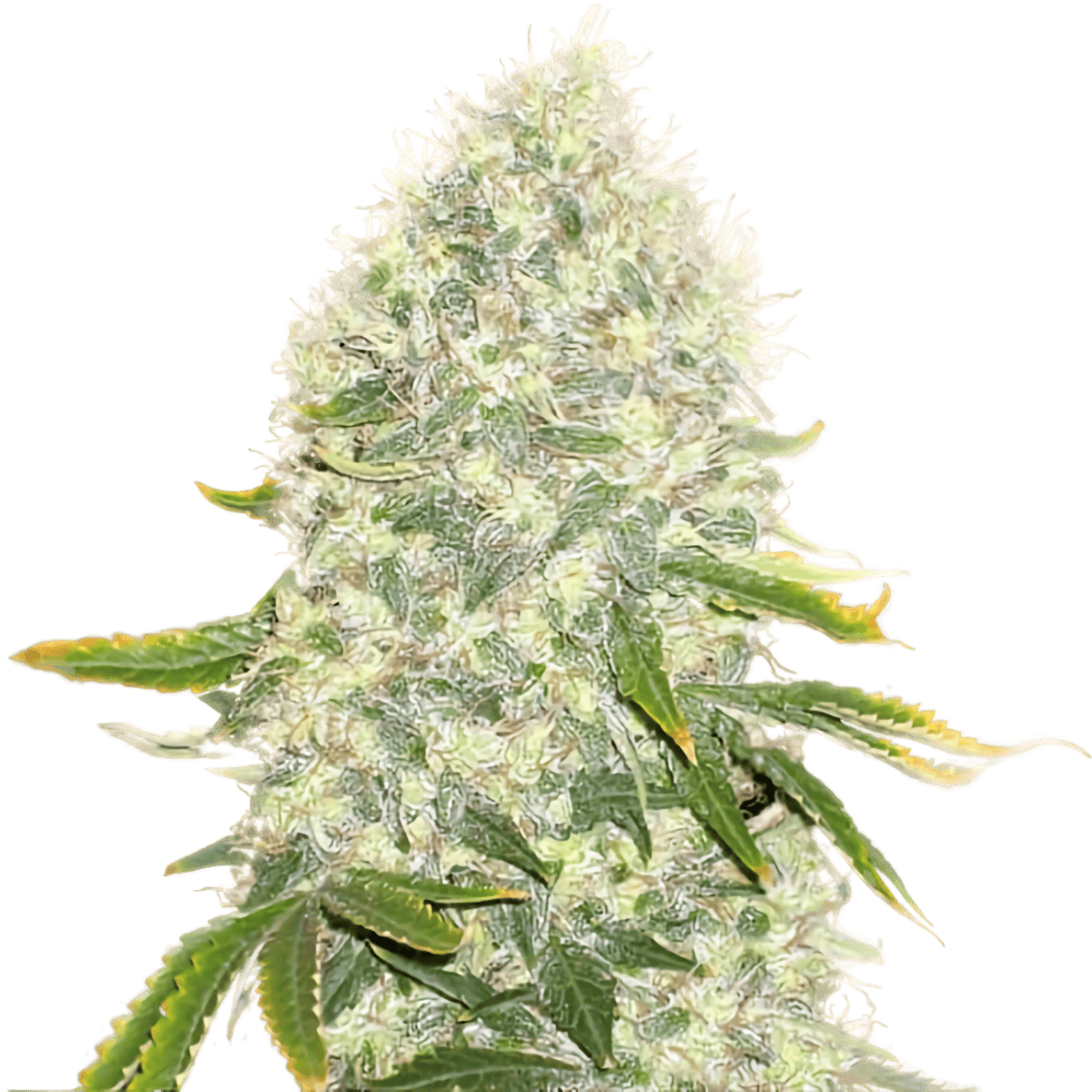
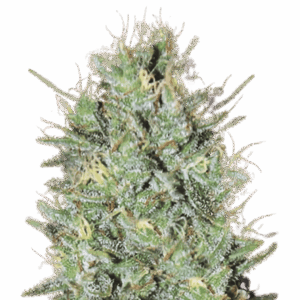
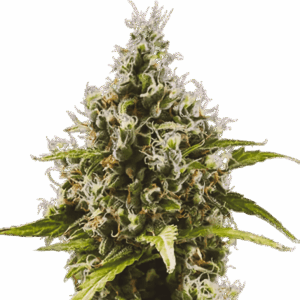
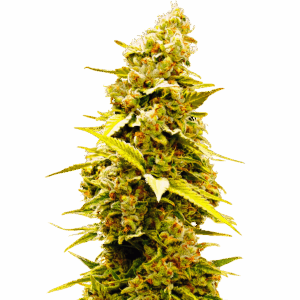
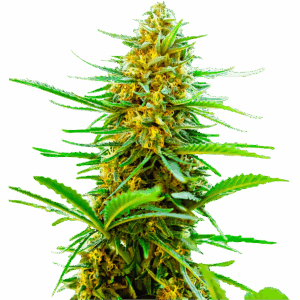
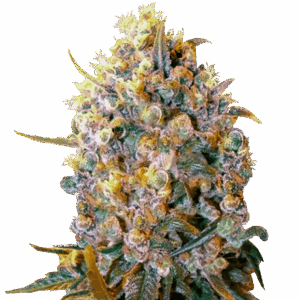
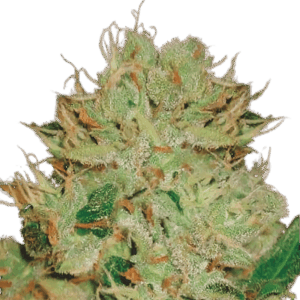
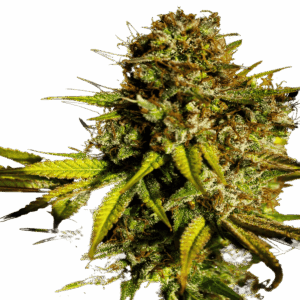
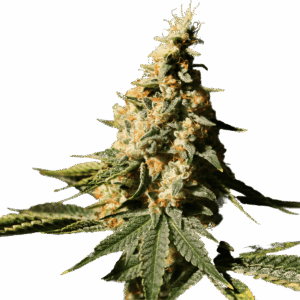
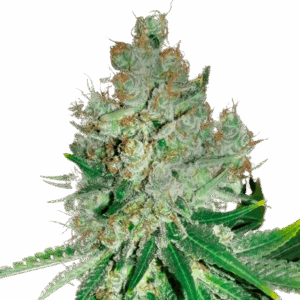
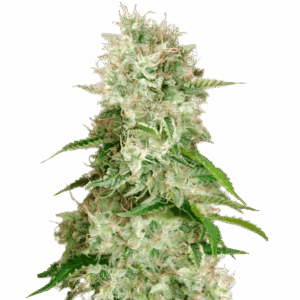
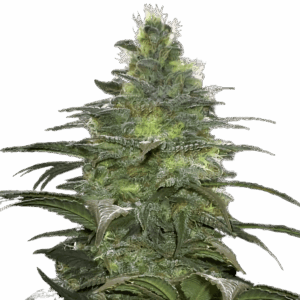
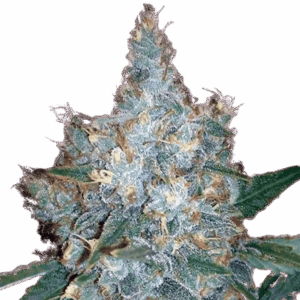
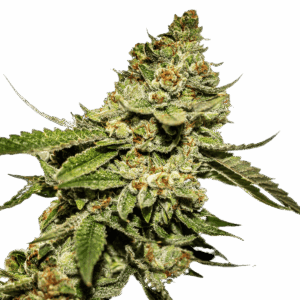
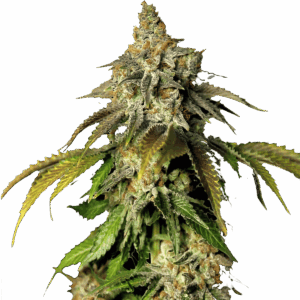
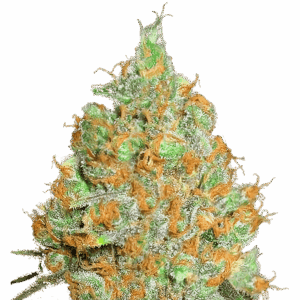
White Widow feminised seeds preserve the character of a Dutch coffee-shop legend in a balanced, resin-focused hybrid. Its Brazilian Sativa and South Indian Indica lineage gives this variety a 40% Sativa and 60% Indica profile, combining a varied aromatic expression with a predominantly calming character.
Brazilian Sativa x South Indian Indica
White Widow is built from two distinctive parent lines: a Brazilian Sativa landrace and a South Indian Indica selected for its resin-enhancing qualities. This pairing has made White Widow an influential name in modern cannabis breeding, with its genetics appearing in later varieties such as White Russian, White Rhino and Blue Widow.
The feminised format is intended to produce female plants, allowing growers to focus their space and attention on flowering plants. White Widow develops into a medium-sized, bushy hybrid with an Indica-leaning structure while retaining the influence of its Sativa heritage.
Citrus, Floral and Spiced Fruit Aromas
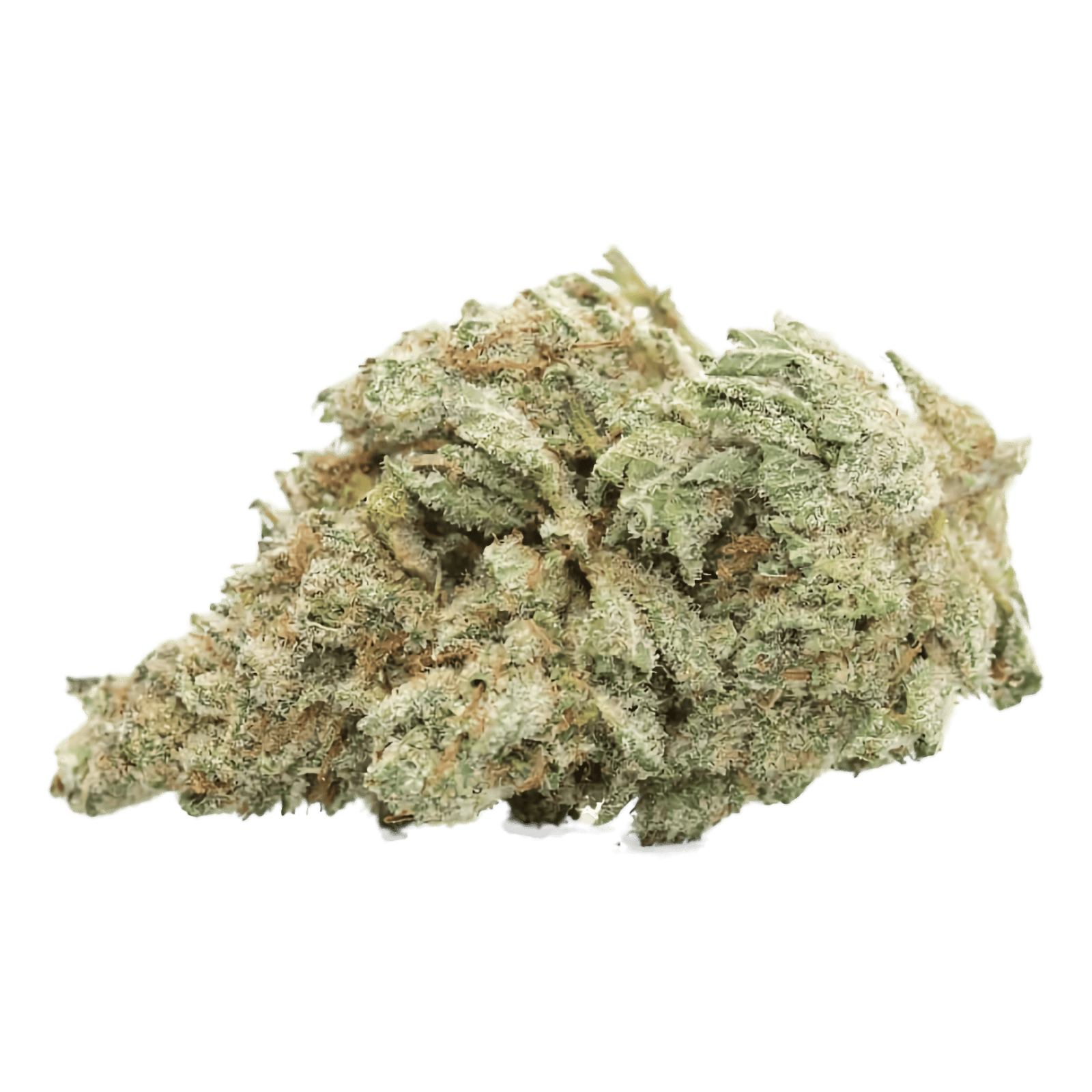
The aroma profile is layered rather than one-dimensional. Citrus notes sit alongside floral and fruity tones, while a spicy edge adds depth to the overall character. This combination gives White Widow a bright, fragrant profile with an earthy, old-school hybrid feel.
With THC levels listed at 18–21% and CBD at 13%, White Widow is described as delivering a long-lasting, relaxing body-led effect. Individual responses can vary according to tolerance, setting and consumption method.
Flowering and Yield Potential
White Widow feminised seeds are suitable for indoor and outdoor cultivation. Indoors, flowering typically takes around 7–8 weeks. Its medium, bushy growth habit can suit growers who prefer a manageable plant profile while still aiming for substantial production.
- Indoor yield potential: 850–950 g/m²
- Outdoor yield potential: 1,000–1,100 g per plant
- Plant type: Feminised, 60% Indica / 40% Sativa
- Lineage: Brazilian Sativa x South Indian Indica
As with all cannabis plants, final size, flowering time and harvest weight depend on environmental conditions, cultivation methods and grower care.